
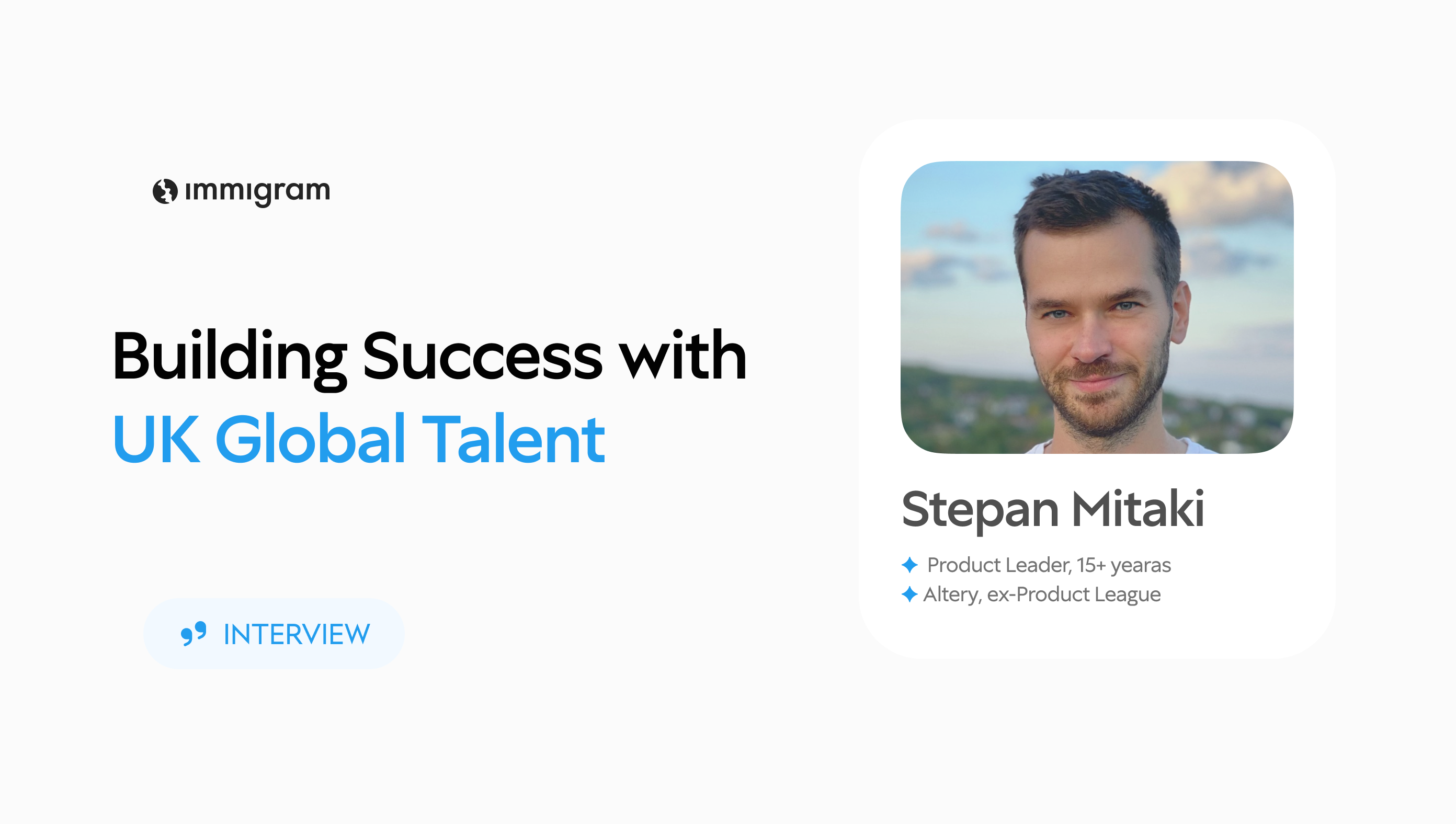
My career went through three major phases. First, I worked in advertising, then became a product manager, and later transitioned into entrepreneurship. I graduated from Murmansk State Technical University with a degree in advertising and, inspired by the TV show Mad Men, I dreamed of working in this field. After graduation, I moved to Moscow and started my career in advertising, joining the large agency Grey Moscow. Later, I worked at Progression Group and also in a smaller agency as a producer. I had the opportunity to work with major brands such as IKEA, Google, MasterCard, McDonald's, and I was involved in projects for Sochi 2014.
It all happened by chance. In 2013, I launched a website called "My Murmansk," a civic initiative where users could submit ideas for improving the city on an interactive map. Two days after the launch, we received around 500 ideas, which really surprised us. We started thinking about how to attract the city's administration to implement these ideas. Soon, activists from other cities reached out, asking to create similar projects. This led us to consider turning our website into a business.
At that time, I knew nothing about product management, IT, or startups, and had no idea how to sell such ideas to anyone. By chance, we reached out to the administration of Tromsø, a Norwegian city near Murmansk, and successfully pitched our idea to them. They decided to use our platform to engage citizens in the city's development. Ideas submitted by users on our platform were included in Tromsø's 15-year master plan. Thanks to our platform, Tromsø was able to save about €100,000 of taxpayers' money. Later, our platform was purchased by two other cities in Norway and Finland.
Yes, after the success of the project, I was invited to join the mos.ru team — the Moscow government portal. Initially, it was a site for officials and journalists, and I was hired to transform it into a user-friendly platform for residents, where they could access key services, pay bills and fines, read news, and interact with the city. I was one of the first members of the product team and was responsible for creating new services, and later for the "My Moscow" mobile app. Over two years, we increased the number of the app’s active users from 20,000 to 700,000.
After that, I worked at a London-based startup, and then returned to entrepreneurship with a product called Carial — a service for young parents that allows them to get a text consultation with a certified pediatrician in 15 minutes. Right now, I'm working on another project that is still in development. It's a B2C mobile application, and I hope to be able to share more details in a couple of months.
When I was choosing a place to move to, I had very clear criteria. It had to be a large metropolis, a capital of the world, where I could develop an international IT business, with access to resources and a large community. There weren’t many options: San Francisco, New York, and London. I chose London because it had a talent visa that was accessible.
I found out about the Global Talent visa at the end of February 2022. What attracted me was that the visa offers great conditions: the ability to bring your whole family, and the partner can work. We didn’t think about it for long, maybe a couple of days, because there were few alternatives, and getting a visa for the US seemed more complicated. Plus, I didn’t want to live in America.
I started with a free call in March 2022, where I was explained how the visa works and what needs to be done. Later, I tried to apply for the visa on my own, but I spent a lot of time and effort, realizing that it was ineffective. In June, I reached out to a professional and offered to collaborate.
There were difficulties, as with many others. The preparation took longer than I expected, and there was also a situation with a person who was supposed to sign a letter. He stopped responding, and I had to quickly find a replacement. Otherwise, the process went fairly smoothly.
We moved at the beginning of 2023 and plan to stay in the country long-term. We really like it here, and we want to continue building our lives, obtaining documents, and developing our projects. Perhaps we’ll even stay here for retirement—who knows?
I’ve noticed that many of my acquaintances, both Western and Russian, with a Western mindset, intentionally build their careers by actively participating in public life: speaking at events, writing articles. I used to think that it was more important to simply work and create a product, but now I understand that public visibility and the ability to talk about your achievements is an important part of a career. Working on your personal brand from the very beginning is a valuable strategy that will play an important role in the future, especially with the development of personal communities and authentic connections.


